Cervicogenic Headaches: Could
Your Headache Be
Coming From Your Neck?
A
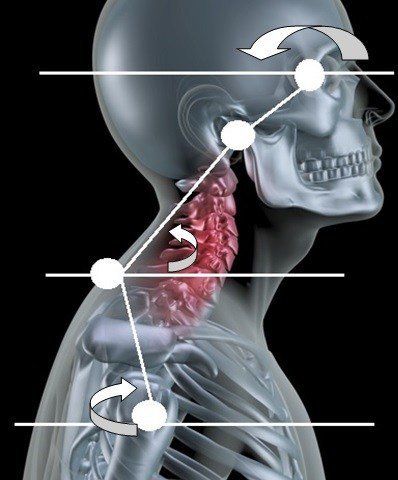
cervicogenic headache is a headache caused by a problem in the neck. It often starts at the base of the skull and may spread towards one side of the head. Neck stiffness, tenderness and pain when turning your head are common signs [1].
What can contribute?
Neck joint or muscle problems, previous injuries such as whiplash, and prolonged positions may contribute. Tight muscles around the neck and shoulders can also accompany symptoms [1]. Long periods looking at screens may aggravate neck discomfort, so try changing position and taking regular movement breaks. Stress, poor sleep, skipped meals and dehydration can contribute to headaches more generally, although they do not necessarily cause a cervicogenic headache [1, 2].
Can high blood pressure cause headaches?
High blood pressure, also called hypertension, usually causes no noticeable symptoms. However, a sudden, severe rise in blood pressure can sometimes cause a headache [5, 6]. In a rare, serious condition called hypertensive encephalopathy, blood pressure rises beyond the brain’s ability to regulate its blood flow. Fluid can then leak from blood vessels into brain tissue, causing swelling. This can lead to a headache alongside symptoms such as confusion, visual disturbances or seizures. This requires urgent medical attention [7].
At Leagrave Therapy, your practitioner will take a blood pressure reading as part of your headache assessment. If your practitioner notes a concerning or uncontrolled blood pressure reading, they will advise you to seek assessment from your GP or another appropriate healthcare professional. Treatment may be postponed until your blood pressure has been assessed. A single reading cannot establish the cause of a headache or confirm a diagnosis of hypertension.
What could help?
Gentle movement, regular exercise, a comfortable workstation and staying hydrated may help manage symptoms. Short-term pain relief may also help some people, but check with a pharmacist or GP if you are unsure which medication is suitable for you [1].
Sports massage may help ease associated muscle tension in the neck and shoulders, although research specifically on sports massage for cervicogenic headaches is limited.
Osteopathy may include gentle joint mobilisation, soft tissue treatment and exercises tailored to you. Research suggests that manual therapy and neck exercises may help reduce symptoms for some people, although results vary and further high-quality research is needed [3, 4].
When to seek help
Speak to your GP if your headaches are new, frequent, worsening or different from usual. Call 999 or go to A&E if a headache starts suddenly and is extremely painful, or occurs with symptoms such as weakness, difficulty speaking, confusion or loss of vision [2].
At Leagrave Therapy, your practitioner can assess your symptoms and discuss whether treatment, exercises or referral to another healthcare professional may be appropriate.
References
[1] Berkshire Healthcare NHS Foundation Trust. Physiotherapy advice for cervicogenic headaches.
[2] NHS. Headaches.
[3] Jull, G. et al. (2002). ‘A randomized controlled trial of exercise and manipulative therapy for cervicogenic headache’. Read the research paper.
[4] Bini, P. et al. (2022). ‘The effectiveness of manual and exercise therapy on headache intensity and frequency among patients with cervicogenic headache: a systematic review and meta-analysis’. Read the research paper.
[5] NHS. High blood pressure.
[6] International Headache Society. Headache attributed to arterial hypertension.
[7] British and Irish Hypertension Society. Management of hypertensive crisis: position document.